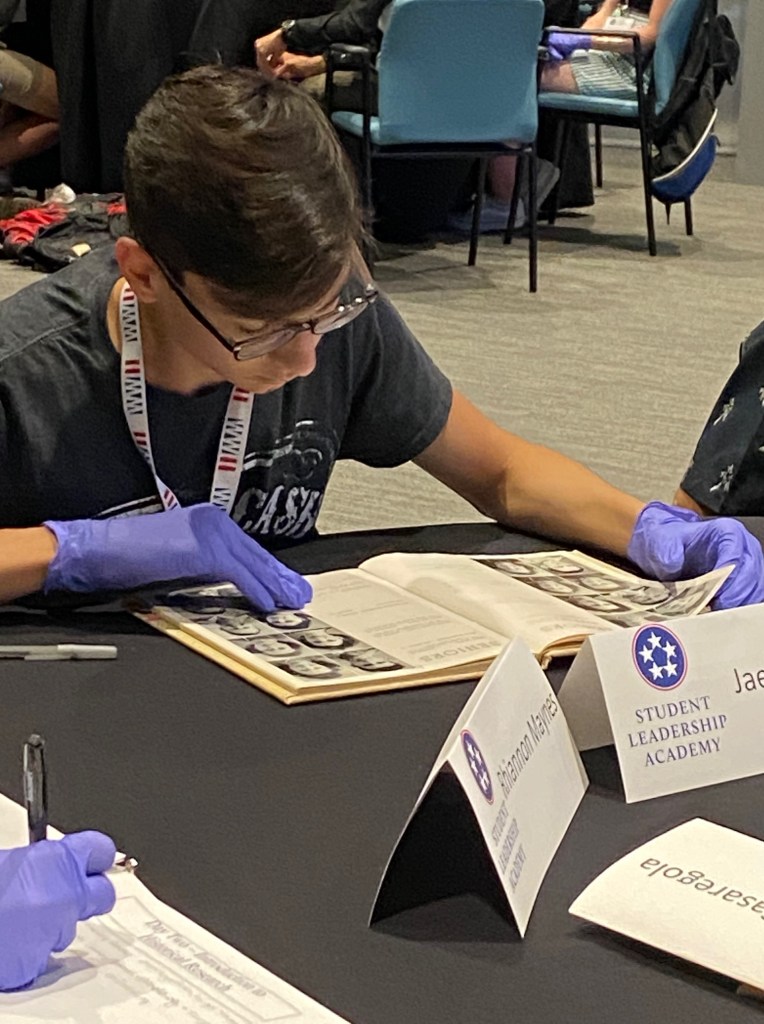
Education Connections are 15-20 minute interactions for school groups who select self-guided visits to the Museum. Launched in 2018, over 1,000 students benefited.
From July 2016 to June 2017, 38,574 students visited The National WWII Museum. The Education Department directly engaged on-site students with three distinct field trip options:
1. STEM Field Trips
2. Special Exhibit Field Trips
3. Docent led gallery tours for schools
During that same time, 2, 694 students participated in STEM or Special Exhibit field trips and 1,948 students participated in docent led gallery tours. Which means that 33,932 students who visited the Museum never directly engaged with a professional museum educator or trained docent.
Education Connections is my idea to increase engagement with students who participate in self-guided school visits. It has provided an opportunity for students to have a deep dive of primary sources based on a teacher-selected topic that is intended to focus their entire visit.
In its first year of implementation, 1,200 students participated in an Education Connection. In its second year, EdConnect was funded by the Toler Foundation and 3,000 students participated.
Education Connections was designed to be a sustainable way to directly engage more students who visits the Museum.
Topics include:
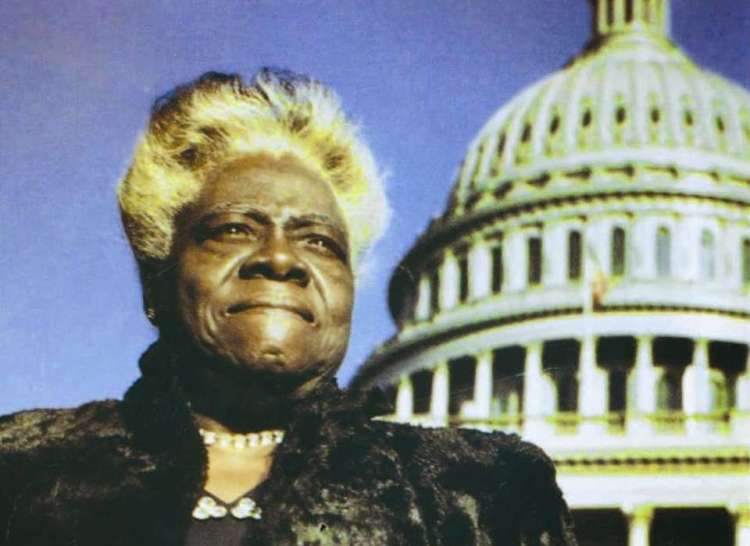
Double Victory: Examining the Experience of African Americans during WWII
Students investigate important contributions made by African Americans using propaganda posters, images, and political cartoons.
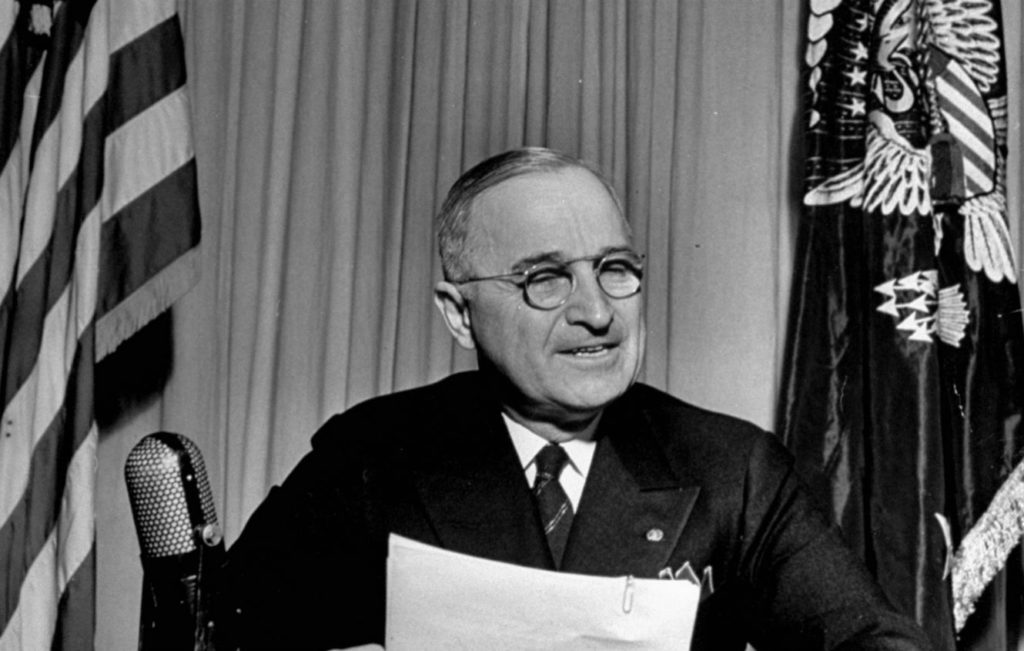
A Costly Decision: The Atomic Bombing of Japan
Students analyze President Truman’s August 6,1945 speech and determine the justifications and implications of using nuclear weapons for the first time.
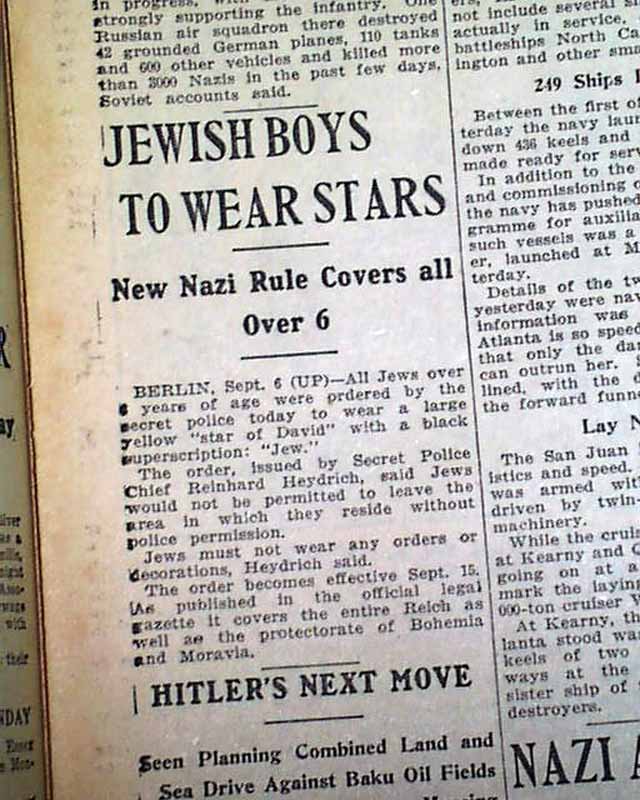
What did we know? U.S. Newspapers and the Holocaust
Students analyze American newspapers and explore how media reported Jewish persecution in Europe, which we now know as the Holocaust.
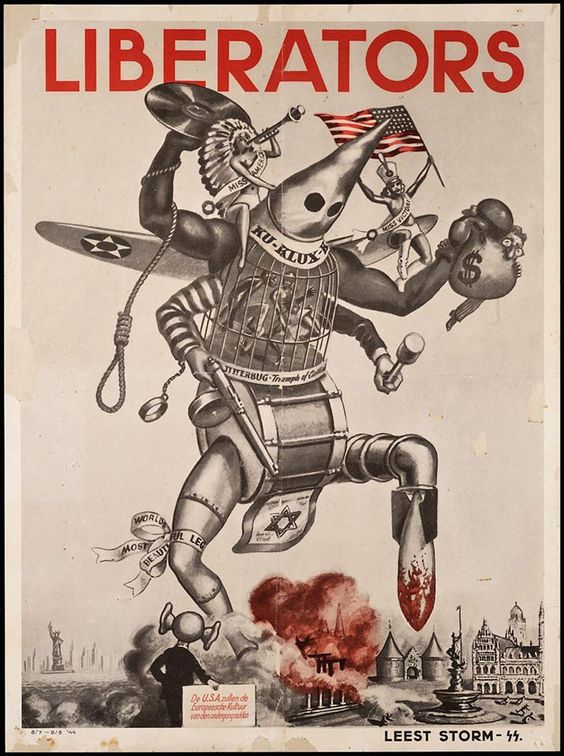
Propaganda: Defining Race in WWII
Using propaganda posters, students evaluate the role race and propaganda played in defining the ‘enemy’.

D-Day: It’s Significance and Challenges
Using primary source images and Eisenhower’s Order of the Day, students evaluate the decisions made by allied leaders and the challenges faced by those landing on the beaches of Normandy.
 Adam T. Foreman